
One of the biggest mistakes high school football players make during the recruiting process is poor communication. College coaches appreciate athletes who are respectful, prepared, and genuinely interested in learning about their program.
Read MoreRECRUITING RESEARCH BLOG
In-depth articles on the college football recruiting process
The transfer portal has fundamentally changed college recruiting. Athletes often assume that once they enter the portal, college coaches will find them if they are talented enough. The reality is much different.
Read MoreEvery year, thousands of high school football players and their families ask the same question: Do I need to pay for recruiting services to get recruited? The answer is simple: No player should have to pay to be discovered by college coaches.
Read More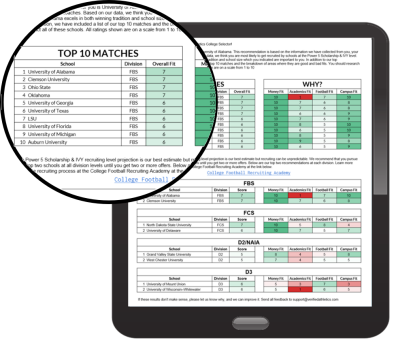
Verified Athletics, the leading provider of verified and accurate high school football recruiting information to colleges has expanded its platform to offer the College Selector, a free artificial intelligence expert system that helps high school football athletes choose the right schools to target during the recruiting process.
Read More
When an athlete falls below these minimum standards, no school can recruit the athlete, no matter how talented he is. If you don’t meet the minimum academic requirements for recruitment or the requirements for your top choice, there are still a few paths to play college football.
Read More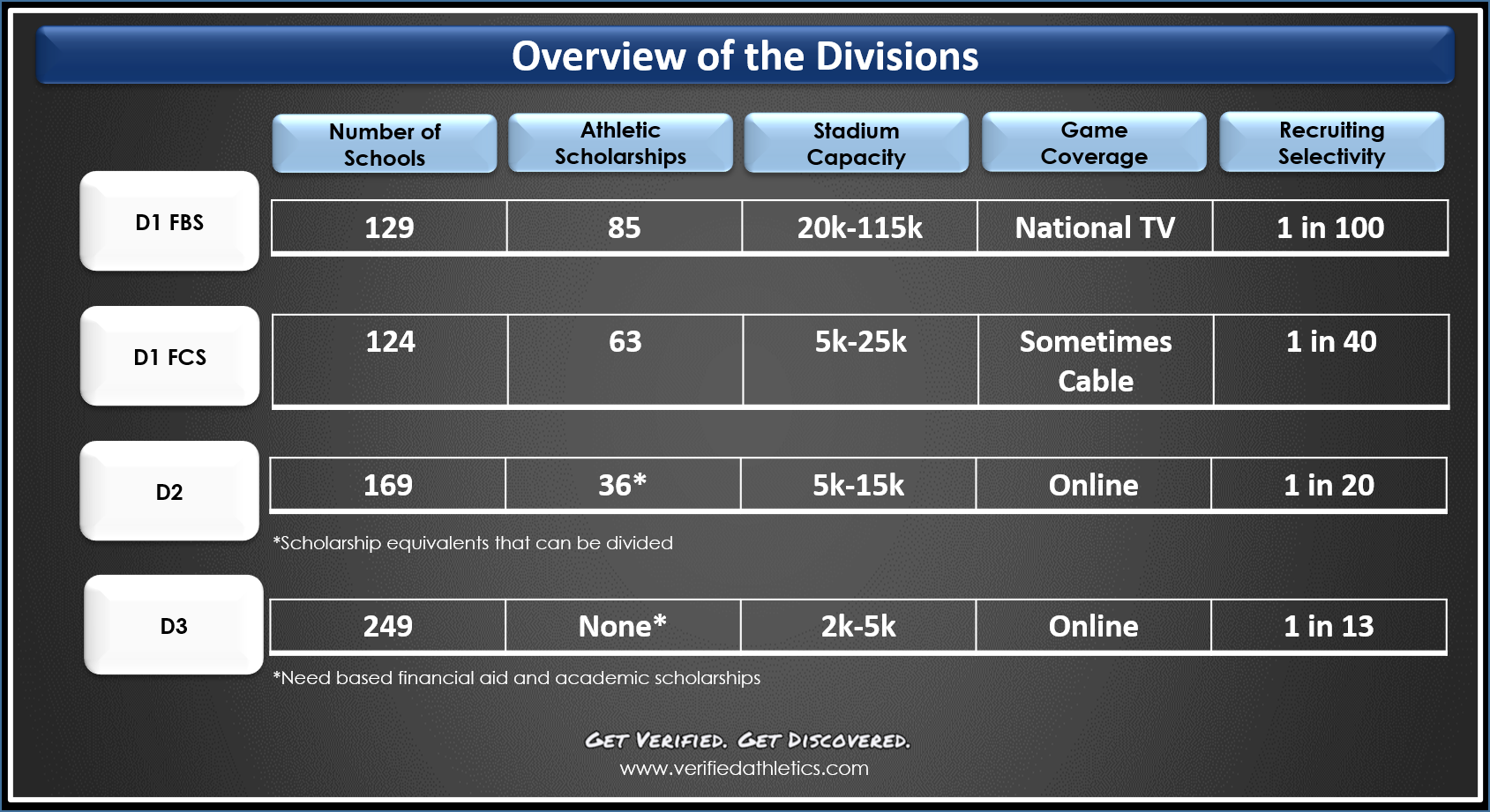
Playing football at any level is actually mostly similar, but different divisions will lead to some different experiences. You should know the differences between the divisions if you are going through the recruiting process.
Read More
You decided that you want to play college football, and multiple schools are recruiting you, now what? For most people, choosing a college is the first big decision they will make in their life, and it is even more complicated for athletes. So, how do you find the right division level and school for you?
Read More
We’ve surveyed hundreds of college coaches from all divisions in order to understand what the life of a college football player is like at their school.
Read More
Too often, athletes focus more of their attention on the field than in the classroom. When college coaches are evaluating high school football players they need two things, a highlight tape and a transcript. They won’t look at one without seeing the other. Do not underestimate the importance of grades during the recruiting process. We have surveyed hundreds of college coaches to understand how grades impact recruitment.
Read More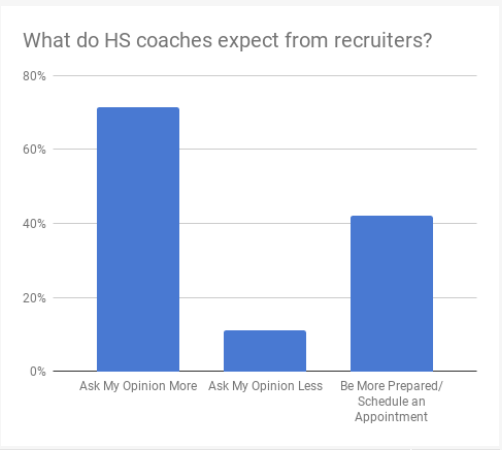
We surveyed high school coaches to find out what they want from college coaches. Insights from this research will give you a leg up when you hit the road next spring.
Read More
It is important for families to understand what to expect from college one-day prospect camps so they can make informed decisions on where to spend their time and money. We’ve surveyed hundreds of college coaches across all collegiate divisions to better understand the dynamics of one-day prospect camps.
Read More
Unfortunately some recruiting communication can be deceiving, and not a good indicator of a future offer. To an untrained eye, it is hard to distinguish between genuine interest and a generic reach-out.
Read More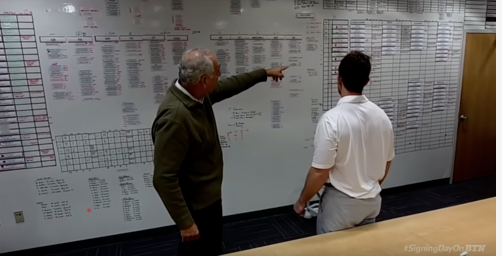
Coaches evaluate those athletes by reviewing highlight tapes and transcripts in order to narrow the list to players that fit their recruiting needs. The recruits that make the cut are put on the “Recruiting Board”
Read More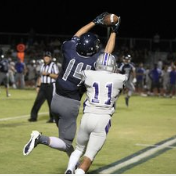
We’ve spoken to hundreds of coaches and our coaching advisory board in order to give you the best recruiting tips. Here are our expert tips to make your highlight tape stand out.
Read More
High school coaches are always looking to help their athletes succeed on the field and in the recruiting process. In order to do this, high school coaches need to understand when, how and to whom to provide the right information in order to get their athletes seen. So, we asked college coaches: how can a high school coach get college coaches to watch recruiting film?
Read More
We’ve all seen scenarios where a committed athlete will decommit and sign with another school. We wanted to understand the dynamic at work that leads to these kinds of situations. We surveyed college coaches to understand what they do when an athlete they are recruiting commits elsewhere.
Read More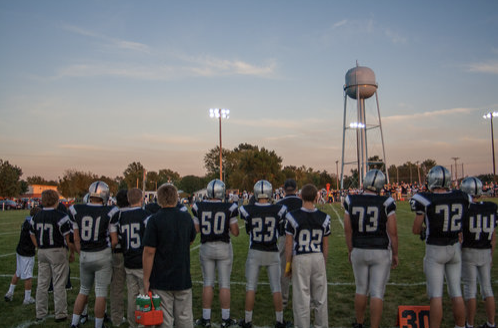
How can a player from a small school get noticed by college coaches? We wanted to know the answer, because it is our mission to level the college recruiting playing field for all athletes, no matter the school size. We surveyed hundreds of college coaches to find out if they treat students from smaller schools any differently. This was their response.
Read More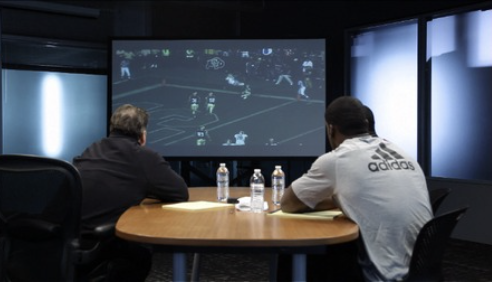
Every year college coaches need to find the best players in their recruiting area to fill their class. They spend countless hours every week pouring over high school tapes that are sent to them. But certain times during the year are better than others when it comes to sending a college coach a highlight tape and transcript.
Read More
We surveyed hundreds of college coaches across all divisions to help high school coaches and athletes understand what college coaches are looking for on the recruiting trail.
Read More
Many athletes and parents that are looking for an edge to get a scholarship often look beyond the coaching and workouts that their HS team provides. We decided to ask HS coaches what they think of “third party” trainers.
Read More
We surveyed coaches across all of college football in order to find out what they are looking for from high school coaches during the recruiting process. Our data has verified something that many of you have suspected, the D1 recruiting process is different than the process for other levels. You need different approaches when it comes to working with D1 coaches.
Read More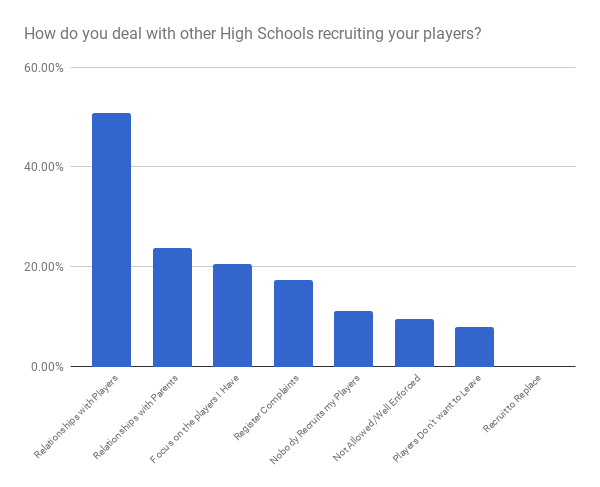
Many coaches asked for us to touch on the topic of high schools recruiting athletes from other high schools. This is a point of major frustration, especially for coaches that want to do things by the rules and set an honorable example for their teams.
Read More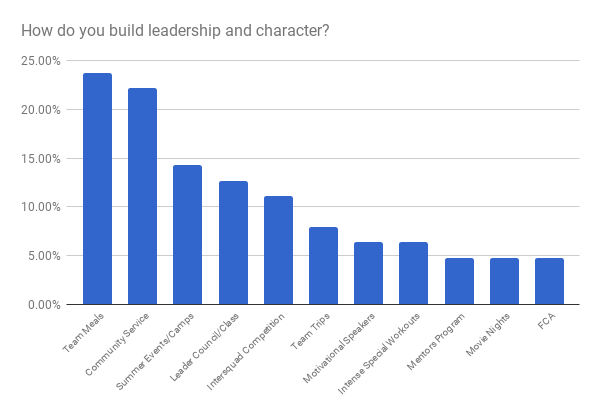
High school coaches have a lot of great ideas for building leadership, teamwork, and character on their teams.
Read More
Schools with more than 500 boys get 10% male participation in football on average, with most schools ranging between 5% and 15%. Interestingly, when schools get smaller that number goes up to 20-30% of male participation. High School coaches can increase their prog
Read More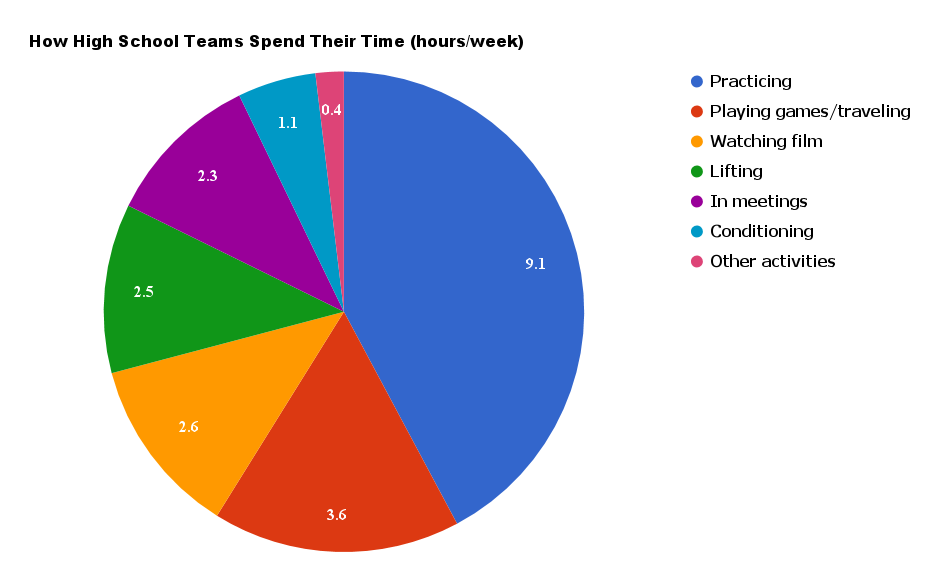
This is how high schools teams divide that time.
Read More
On average, college football coaches work 75 hours and spend 14 hours watching film as a staff and 7 hours recruiting per week. But coaches working hours range wildly from 40-115 hour per week.
Read More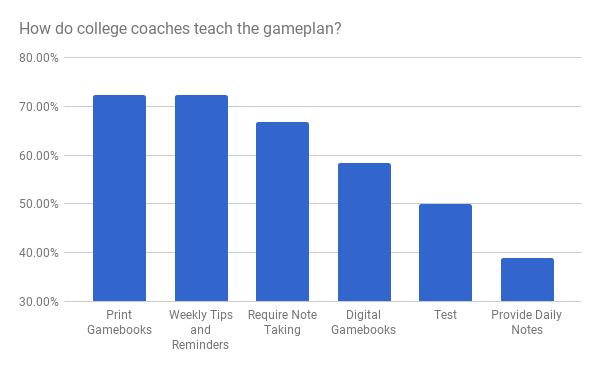
What are the most effective methods for getting players ready to go on game-day?
Read More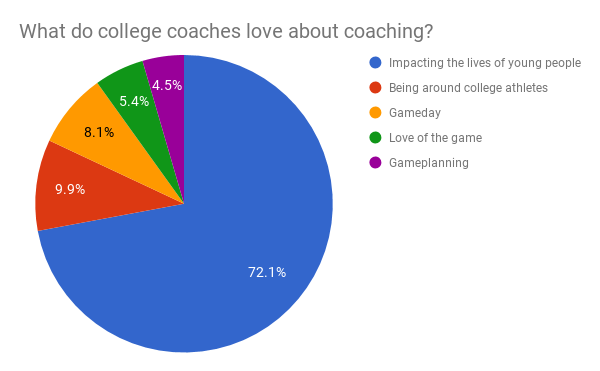
College coaches work 75-85 hours per week and in most cases for a fraction of the pay they could make in other professions. So why do they do it?
Read More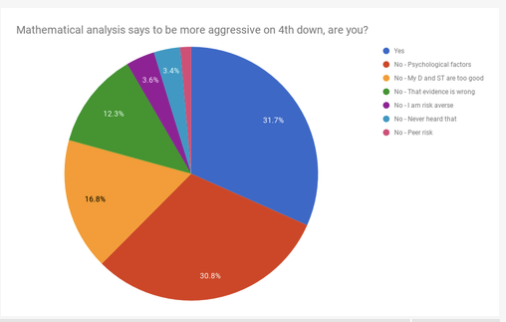
While this research has been published for over 15 years, there has been little change on the football field in that time. We decided to ask high school and college coaches, what they think.
Read More
We asked HS coaches how they effectively deal with building and maintaining a big roster.
Read More
We asked hundreds of college coaches what they changed recently that has improved their program and we wanted to share some of the best answers with you.
Read More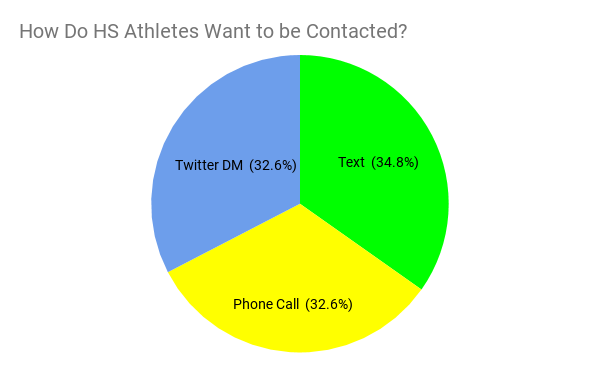
We want to help you formulate that plan by getting to understand the preferred methods of communication for today’s recruits. We surveyed hundreds of college bound football players in the class of 2019. They told us how they prefer to be contacted by college coaches.
Read More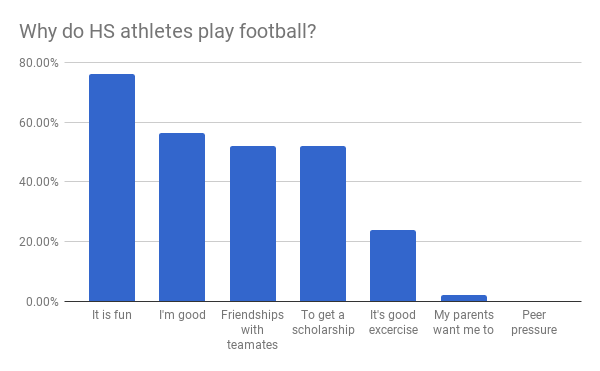
We wanted to understand what motivates high school kids to play the game we all love so much. We asked hundreds of college bound football players in the class of 2019, why they play football?
Read More