College bound student athletes receive lots of communication from college football programs. These can include mailers, emails, social media messages, phone calls, in person visits, and invitations to camps. Students do not have time to visit every school that sends a message nor the money to attend more than a handful of camps. But, they do not want to miss out on a legitimate opportunity. Unfortunately some recruiting communication can be deceiving, and not a good indicator of a future offer. To an untrained eye, it is hard to distinguish between genuine interest and a generic reach-out.
To understand the dynamics of the recruiting communication you must first understand how coaches begin the recruiting process each year. You can read more about the first phase of the recruiting process in our guide by clicking HERE. College coaches create “recruiting boards” with the athletes they are interested in. The athletes on the board are ranked and the rankings determine how much time a program will spend on recruiting the athlete and how likely that athlete is to receive an offer/roster spot. You can read more about the recruiting boards in our article. It is important to know if and where you are on the board. Knowing where you stand with each school helps you make decisions on where to spend your time in the recruiting process. Here is how to tell where you are on the recruiting board.
Ask the coach that is recruiting you. If you don't know who that is, then they probably aren't recruiting you very hard
Ask your high school coach to reach out to the college coach to find out how serious they are about recruiting you
Think about how much time a coach had to spend communicating with you
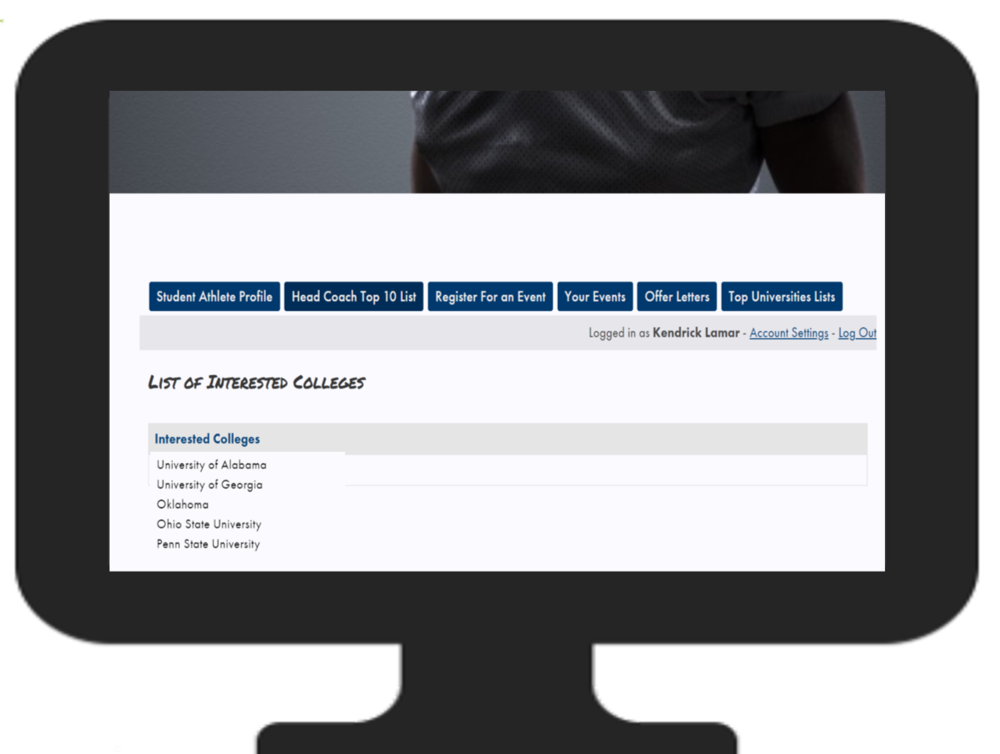
If you are part of the Verified Watch List you can look at the Head Coach Top 10 List tab. If the school's name is on that list, that means that you are one of top10 players they are looking at on the Verified Watch List and on their recruiting board.
Understanding the coach’s time commitment for communicating with you is crucial to understanding how interested a program is in recruiting you. Here are a few guidelines to help you better understand if a program is really spending time on recruiting you.
Mass communication such as fliers and letters take no time to send out and do not signify any legitimate recruiting interest
Texts and direct messages via social media at least take some time, so they can indicate some level of interest and probably mean that you are on the recruiting board.
Phone calls and in-person visits by the coach are great indicators that a program is genuinely interested in you.
Seeing a school's name in the Head Coach Top 10 List when you log in to your Verified Watch List Profile is the best indication that a school is serious about recruiting you.
Invitations to college camps, spring games, or junior days do not necessarily indicate interest. You should think about how you were invited using the guidelines above to determine if the school is interested.
Be especially wary of invitations to college camps. College camps are tricky because they are a great opportunity to earn scholarship offers. But, college coaches make money from those camps and are incentivized to bring in as many athletes as they can. Coaches may even imply that it can help you earn a scholarship even if they are not serious about recruiting you. Read more about college one-day camps HERE.
Once you determine which programs are genuinely recruiting you, you should visit these schools, showcase your skills at their camp, or attend their spring practice or game so you can earn an offer and figure out if you like the school and coaches.
You should go to the schools you are most interested in at a variety of different division levels. This will help you understand what different schools and divisions are like and help you figure out what you like about each school. This will prepare you to make great decisions throughout the recruiting process.